Study Abroad Marketing: How Consultancies and Institutions Win Student Trust
Study abroad marketing is how education consultancies and international institutions reach students who want to study in another country, earn their trust and guide them to the right programme. It is different from most education marketing because the decision is bigger, the family is more involved and the student is relying on advice from people they may never meet in person. Trust, accuracy and fast, honest follow-up decide who wins the student.
I have run international recruitment campaigns since 2018 and, from 2021, across South Asia, Africa and the Middle East, alongside building agent and channel partner networks. This guide is for study abroad consultancies and the institutions that work with them, and covers positioning, channels, content, follow-up and measurement.
What students and parents need before they trust you
- Accurate information. Correct fees, entry requirements, intakes and scholarship details for each destination and institution.
- Honesty about fit. Advice on what suits the student, not only what earns the highest commission.
- Proof. Real students who studied abroad through you, with their permission to share their stories.
- Clarity on costs. Tuition, living costs and your own fees, explained upfront.
- Responsiveness. Quick, clear answers on the channels families use, especially WhatsApp.
Position your consultancy clearly
Many consultancies say they offer “all countries, all courses”. That makes it hard for students to see why they should choose you. A clearer position works better: a focus on particular destinations, levels of study, subject areas or student groups. Specialisation makes your marketing more specific and your counsellors more expert.
Channels that work for study abroad marketing
Search and content
Students research for months before they speak to anyone. Content that answers their questions earns their attention early: country comparisons, cost guides, scholarship lists, application timelines and programme guides. Keep it accurate and dated, and update it when rules or fees change. My guide to international SEO covers the technical side.
Social media
Instagram and YouTube work well for student stories, destination life and quick explainers. Answer real questions in your content, and give every post a clear next step. See my post on social media marketing for higher education.
Webinars and events
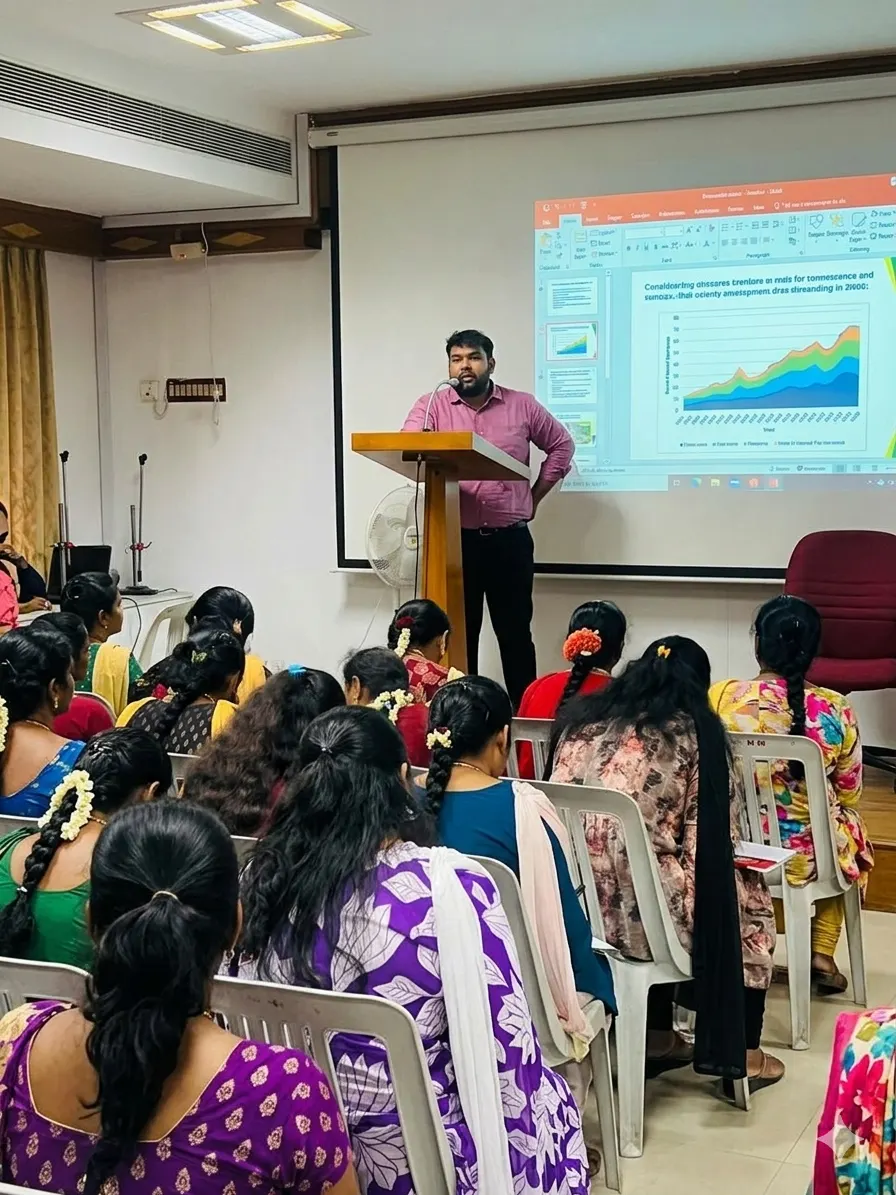
Destination webinars, university sessions and education fairs give families a chance to ask questions directly. Follow up every attendee within a day. My virtual open day playbook sets out a format that converts.
Paid campaigns
Run search and social campaigns by destination and intake, sent to specific landing pages. Measure them by counselling sessions booked and applications, not just leads.
Referrals
Students who had a good experience are your strongest marketing. Ask them for referrals and reviews, and stay in touch after they travel.
Follow-up that wins families
Study abroad decisions involve several conversations over weeks or months. Plan for that:
- Acknowledge every enquiry within minutes by WhatsApp or email, with one useful fact.
- Book a counselling session with the student and, where appropriate, their parents.
- Send a written summary of the options discussed, with costs and timelines.
- Guide applications step by step with checklists and deadlines.
- Stay close after offers with pre-departure information and introductions to other students.
WhatsApp is central to this in most sending markets; my guide to WhatsApp marketing for colleges applies equally to consultancies.
Stay within the rules
Visa and immigration advice is regulated in many destination countries and should only be given by people qualified to give it. I do not give visa advice, and consultancies should be clear about what they can and cannot advise on. Point students to official sources, such as government study and visa websites for each destination; for students considering India, Study in India is the official portal. Handle student data with consent and in line with data protection law, such as India’s DPDP Act, 2023.
Measure the full journey
- Enquiries and qualified enquiries by source and destination.
- Counselling sessions booked and held.
- Applications, offers and enrolled students.
- Cost per enrolled student by channel.
- Referral rate from past students.
From the field
My own background in this work is on the ground: offline counselling centres, franchise partners and channel networks of agents and schools that I built from zero. Later, working with a UK university recruiting from South Asia, we combined a full recruitment funnel with an onboarded and trained agent network and intake-timed campaigns, and qualified applications from South Asia rose by more than 340% in one intake. In study abroad, the partner on the ground and the digital funnel are strongest when they work as one.
Frequently asked questions
What is study abroad marketing?
It is the marketing that study abroad consultancies and international institutions use to reach students who want to study overseas, build their trust and guide them through choosing and applying for a programme.
How do study abroad consultancies get more students?
By specialising, publishing accurate and helpful content, running campaigns by destination and intake, following up quickly and earning referrals from past students.
Which channels work best for study abroad marketing?
Search and content for research, Instagram and YouTube for stories, webinars and fairs for direct conversations, WhatsApp for follow-up and referrals for trust.
Should consultancies give visa advice?
Only if they are qualified and permitted to under the destination country’s rules. Otherwise they should refer students to official sources and qualified advisers.
How should consultancies measure marketing success?
By counselling sessions, applications and enrolled students by source and destination, and cost per enrolled student, not only by lead count.
Conclusion
Study abroad marketing is built on trust. Specialise so your expertise is clear, publish accurate content, use the channels students and parents already use, follow up quickly and honestly, stay within the rules and measure the full journey. Consultancies that do this win more students and more referrals. If you are an institution building a partner network, I work as an international student recruitment consultant, and my post on digital marketing strategies for international students goes further.
Growing a study abroad business?
Tell me your destinations and student markets, and on a free 30-minute call I will help you find where to focus.