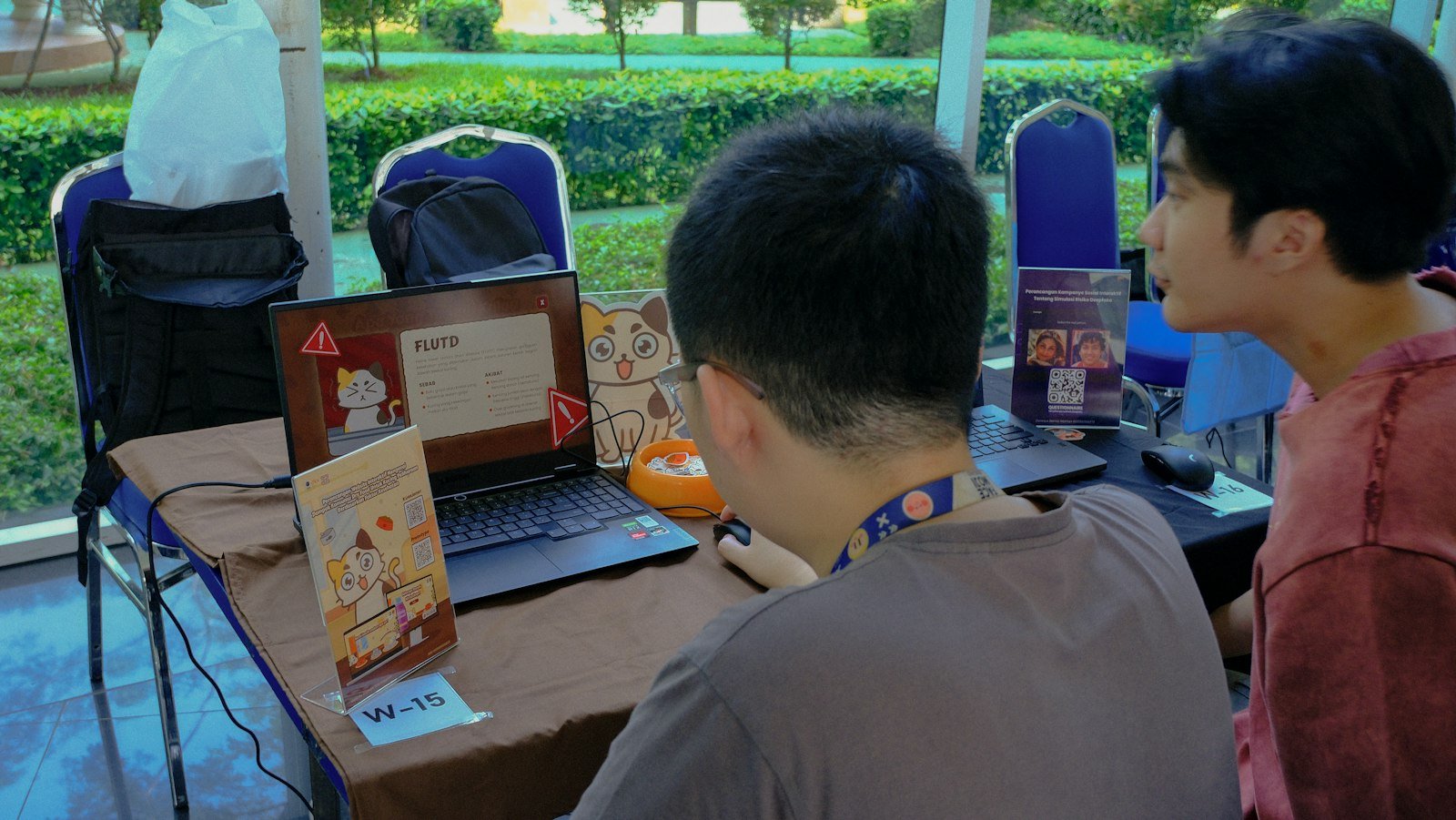
Education Fairs and Campus Events: How to Turn Footfall Into Enrollments
Education fairs and campus events are worth the cost only when the leads they produce are captured properly and followed up fast. To turn education fair leads into enrollments, plan who you want to meet before the event, capture each conversation digitally with the details counsellors need, follow up within a day or two, and track every lead through to enrollment so you know which events are worth repeating.
This post covers what to do before, during and after an event. It links to my guide on how to increase university enrollments, where offline channels sit alongside digital ones.
Why fair leads are often wasted
Fairs, school visits and open days create real conversations with real students, which is something digital campaigns struggle to match. Yet the leads they produce are often handled worst. Paper forms sit in a box for a week. Handwriting is hard to read. The counsellor who had the conversation is not the one who follows up. By the time anyone calls, the student has moved on.
The fix is to treat event leads with the same discipline as digital enquiries.
Before the event: plan for the right conversations
- Pick events by audience. Choose fairs and schools where your target students actually attend, based on past results rather than habit.
- Decide which programmes to lead with. Focus on the programmes with seats to fill and a clear story.
- Brief the team. Everyone on the stand should know the key facts, the common questions and how to capture a lead.
- Promote your attendance. Tell past enquirers and local schools where you will be, and invite them to visit the stand.
During the event: capture leads properly
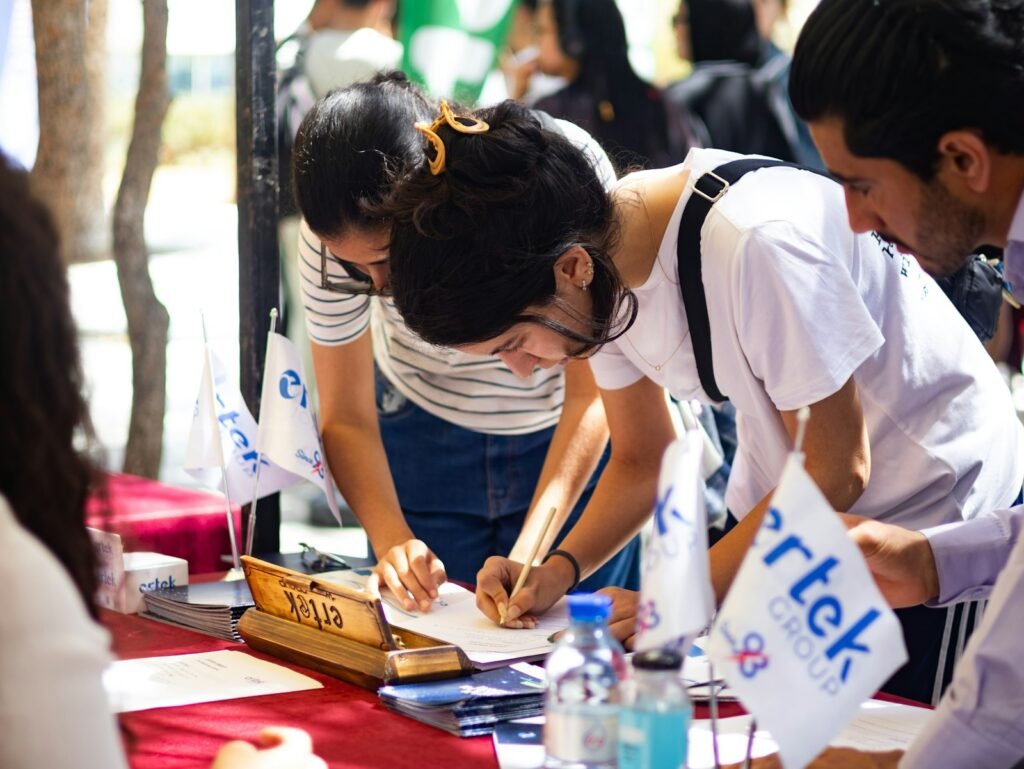
Replace paper forms with a short digital form on a tablet or a QR code that students scan on their phones. Capture only what you need: name, phone or WhatsApp number, email, programme of interest, intended intake and a short note from the counsellor about the conversation. Tag every lead with the event name so you can measure it later.
Make sure the form includes clear consent to be contacted, and handle the data in line with privacy rules.
After the event: follow up within 48 hours
The days right after an event are when students remember you best. Send a thank-you message the same day with a link to the programme they asked about. Have a counsellor call within one or two days, using the notes from the stand to continue the conversation. Invite strong prospects to a campus visit or an online session, and add everyone else to the same follow-up schedule you use for digital enquiries.
My post on student recruitment funnels explains how event leads fit into the nurture stage.
Speaking slots and workshops
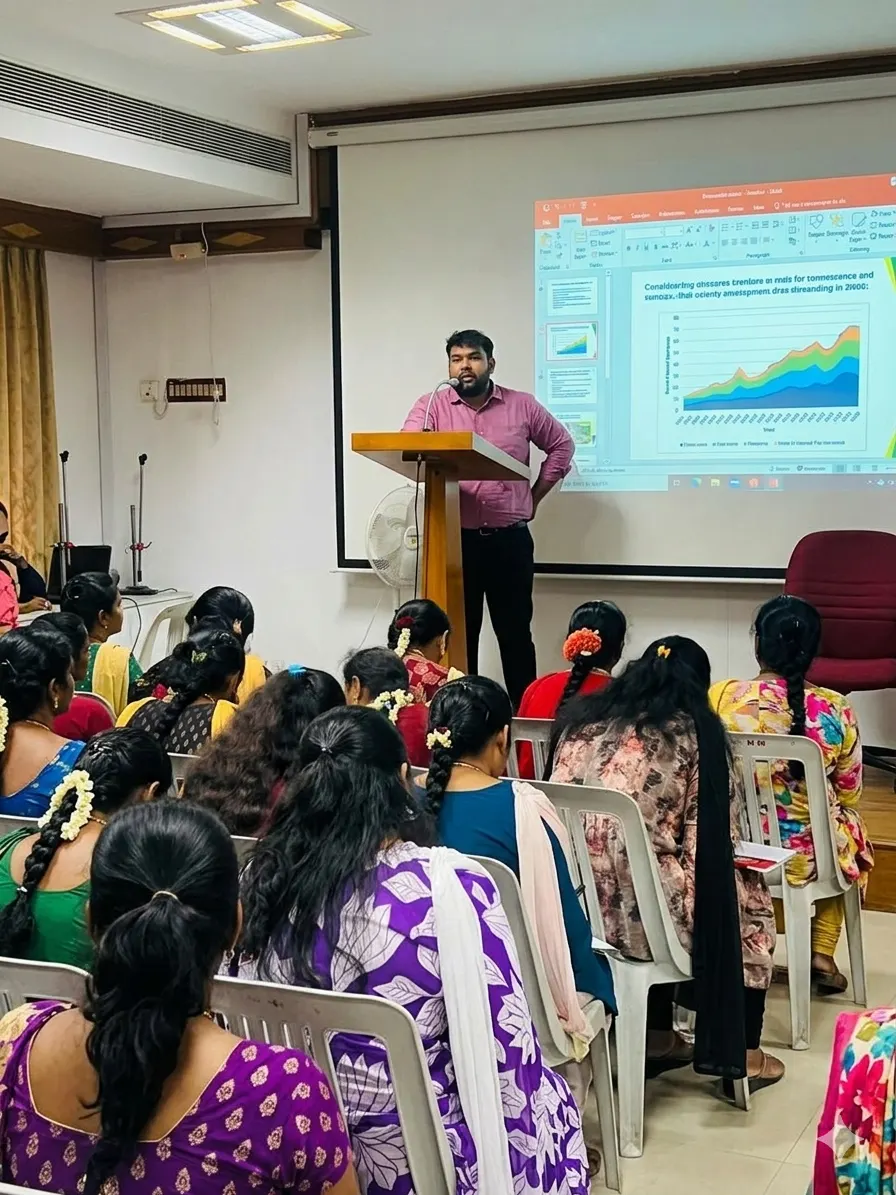
Many fairs and school events offer speaking slots. A useful talk on a topic students care about, such as choosing a course, career options in a field or applying for scholarships, builds more trust than a stand alone. Keep sales out of the talk and offer a clear way to continue the conversation afterwards.
Measuring event ROI
For each event, track the cost, the number of leads, the number of applications and the number of enrolled students. Compare cost per enrolled student with your digital channels. Some events will prove excellent value; others will show that the money is better spent elsewhere. My post on student recruitment ROI shows how to bring these numbers together.
I help institutions plan and run offline recruitment as a student recruitment consultant. As an education marketing expert, I also run workshops for admissions and marketing teams, and you can see my speaking topics for events.
From the field
A simple change I often recommend is moving from paper forms to a QR code and a short online form at every stand. Leads arrive in the follow-up system the same day, tagged with the event, and counsellors can call while the conversation is still fresh. It also makes it possible, for the first time, to compare events properly.
Related reading: Admission Enquiry Follow-Up: Turning Enquiries Into Applications
Frequently asked questions
Are education fairs still worth attending?
Many are, especially for local and international recruitment where families value face-to-face contact. Judge each event by cost per enrolled student, not by footfall.
How quickly should we follow up fair leads?
Send a message the same day and call within one or two days, while the student still remembers the conversation.
What information should we collect at a fair?
Name, contact details, programme of interest, intended intake, consent to contact, and a short counsellor note about the conversation.
How do we measure the ROI of an education fair?
Tag every lead with the event, track it through to enrollment, and compare the event’s total cost with the number of students who enrolled.
Want this working for your institution?
Share your event calendar for the next cycle and I’ll help you decide which ones are worth it and how to follow up. Book a free 30-minute strategy call.