Abbas Sajid

Offline, Franchise and Channel Networks for Education, Built From Zero

Digital marketing reaches students online. Offline centres, franchise partners and channel networks reach them in their towns, schools and communities, where many decisions are still made. I have built all three from zero, and I help universities, colleges and education brands design, launch and manage networks that bring in students reliably, with the structure and tracking that keep them honest and profitable.

  • 200+ institutions
  • 12+ countries
  • 50,000+ students enrolled
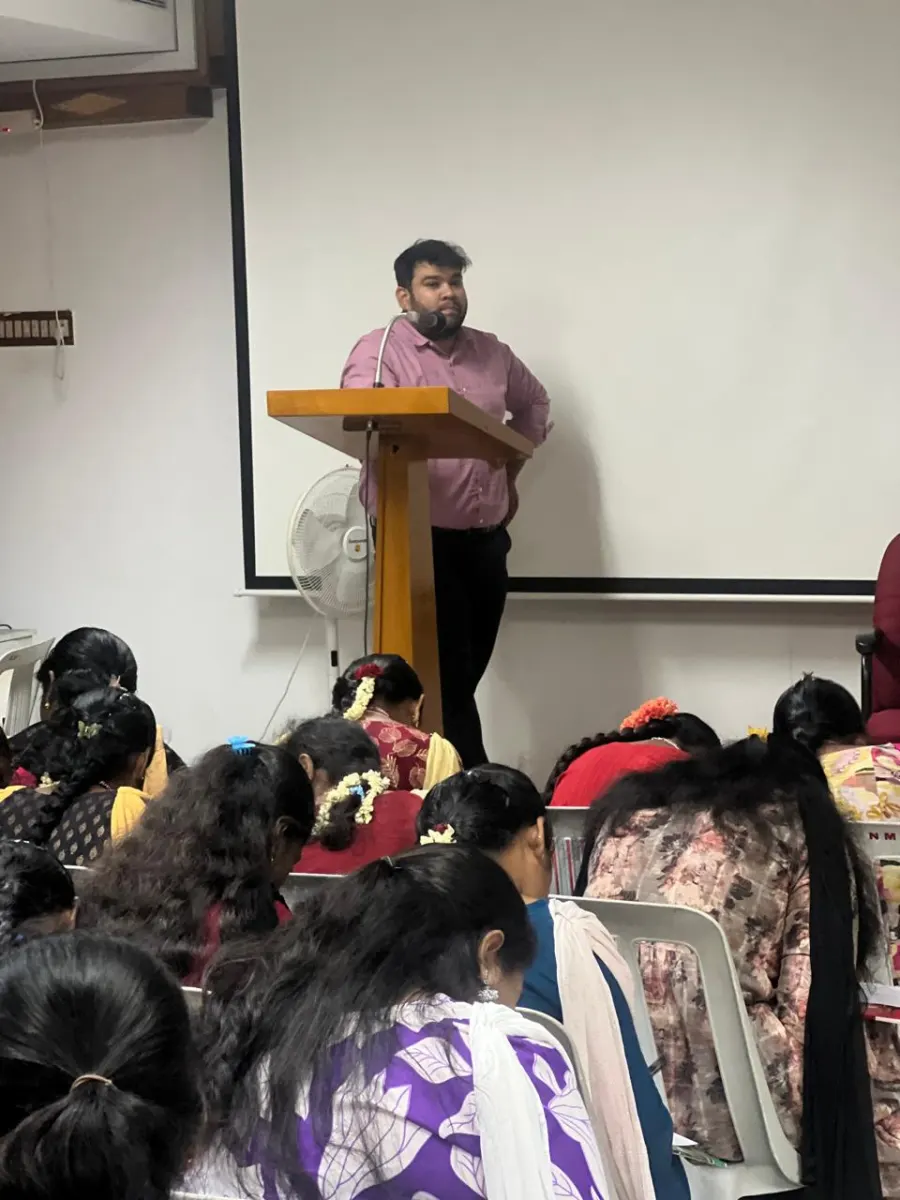
Abbas Sajid speaking to students in a seminar hall

Abbas has worked with universities, skill missions and education brands including

  • University of Madras logo
  • Periyar University logo
  • Tamil Nadu Skill Development Corporation logo
  • Naan Mudhalvan logo
  • upGrad logo
  • Microsoft logo
  • ZF logo
  • Additional Skill Acquisition Programme (ASAP) logo
  • MSM Unify logo
  • Aptech logo

Why offline and partner networks still matter

Business partners shaking hands on a channel partnership

Many students, especially outside large cities, rely on people they trust when choosing an institution: a teacher, a local counsellor, a relative or a centre in their town. Parents often want to meet someone face to face before paying fees. Networks of centres and partners reach these families in ways advertising cannot, and they keep working year after year once they are built.

The risk is that networks are easy to start and hard to manage. Without the right model, partners mis-sell, quality drops, commissions become disputes and the institution’s reputation suffers. That is why structure matters as much as reach.

Who this service is for

Group of university students walking together on campus
  • Universities and colleges that want steady admissions from towns and regions where they have no presence.
  • Education brands, training providers and edtech companies that want physical reach through centres or partners.
  • Institutions already using agents or partners, but without clear agreements, tracking or quality control.
  • International institutions that want a structured partner network in India or other source markets.

Three models, and when to use each

Offline centres

Your own counselling or admission centres in key cities or regions. Best when a market is large and strategic enough to justify direct investment, and when you need full control over the student experience. I help with location selection, set-up, staffing, training, local marketing and performance targets.

Franchise partners

Independent partners who run centres under your brand, following your processes, in return for a share of revenue or commission. Best for expanding quickly into many towns without the cost of owning every centre. I help design the franchise model, the economics for both sides, partner selection, agreements, onboarding, standard operating procedures, training and quality checks.

Channel and agent partners

Education consultants, agents, coaching centres, schools and community organisations that refer students to you. Best for adding reach across many locations, in India and internationally, with limited fixed cost. I help design the partner programme, commission or reward structures, agreements, training, marketing support and tracking. For cross-border agent networks, see my work as an international student recruitment consultant.

Thinking of building a franchise or partner network? Let’s discuss the right model for your institution.

How I build a network from zero

  1. Model designChoose the right model for your goals, define territories, services, pricing and the economics for the institution and the partner.
  2. Partner selectionSet criteria, find and assess candidates, and check reputation and references.
  3. AgreementsClear contracts covering territory, commissions, conduct, brand use and exit terms. (Your legal team or lawyer should review every agreement.)
  4. Onboarding and trainingProgramme knowledge, counselling standards, processes, systems and brand guidelines.
  5. Marketing supportLocal campaigns, materials, events, digital lead sharing and co-branded content.
  6. TrackingEvery lead and enrollment tagged by centre or partner, with monthly performance reports.
  7. Quality and growthRegular reviews, mystery checks, incentives for top performers and improvement plans for those falling behind.

Common mistakes when building partner networks

  1. Signing too many partners too fastA small number of well-supported partners usually outperforms a long list of inactive ones.
  2. Paying only for applicationsCommission linked only to applications encourages volume over quality. Linking rewards to enrolled and retained students protects your reputation.
  3. No training after signingPartners who do not understand your programmes give students wrong information.
  4. No trackingWithout lead and enrollment tracking by partner, you cannot tell your best partners from your worst.
  5. Unclear territoriesOverlapping partners compete for the same students and undercut each other.

Education fairs and school outreach

Fairs and school outreach remain a core offline channel. I help institutions and their partners choose the right fairs, plan school visits and career guidance sessions, and follow up every contact quickly. These activities feed into the same tracking as your digital channels, so you can compare cost per enrolled student across all of them. For domestic recruitment planning, see student recruitment consulting.

Combining offline networks with digital

The strongest networks combine both. Digital campaigns generate leads that partners can follow up locally; partners collect enquiries that flow into the same CRM; and every student’s journey is visible whether it started online or in a centre. For education brands beyond higher education, I also work as an education digital marketing consultant to build this combined model.

Frequently asked questions

Should we choose franchise partners or our own centres?

Own centres give more control and suit a few strategic markets. Franchise partners allow faster, wider growth with less capital. Many institutions use own centres in core cities and partners elsewhere.

How do you stop partners from mis-selling?

Through careful selection, clear agreements and codes of conduct, training, scripted key information, regular checks and commission structures that reward enrolled and retained students, not just applications.

Can you help us fix an existing partner network?

Yes. I often start by auditing the current network’s performance, agreements and processes, then restructure commissions, retrain partners and remove those who are not performing.

Related pages

Extend your reach beyond digital

Tell me where your students come from and where you want to grow. In 30 minutes, we will discuss whether centres, franchise partners or a channel network fits your goals.

Prefer WhatsApp? Message Abbas on WhatsApp