AI Search and Higher Education SEO: Getting Your Programmes Into AI Answers
AI search for universities means making sure that when a student asks an AI assistant or sees an AI-generated answer in a search engine, your programmes are among the sources it draws on. The basics have not changed: clear, accurate, well-structured programme pages that answer real questions. What matters more now is specific facts in plain language, consistent information across the web, and evidence that your institution is a trustworthy source.
This post explains how AI search changes student research and what your web team can do about it. It follows on from my guide to international SEO for universities and links to my wider guide on how to increase university enrollments.
How students now research programmes
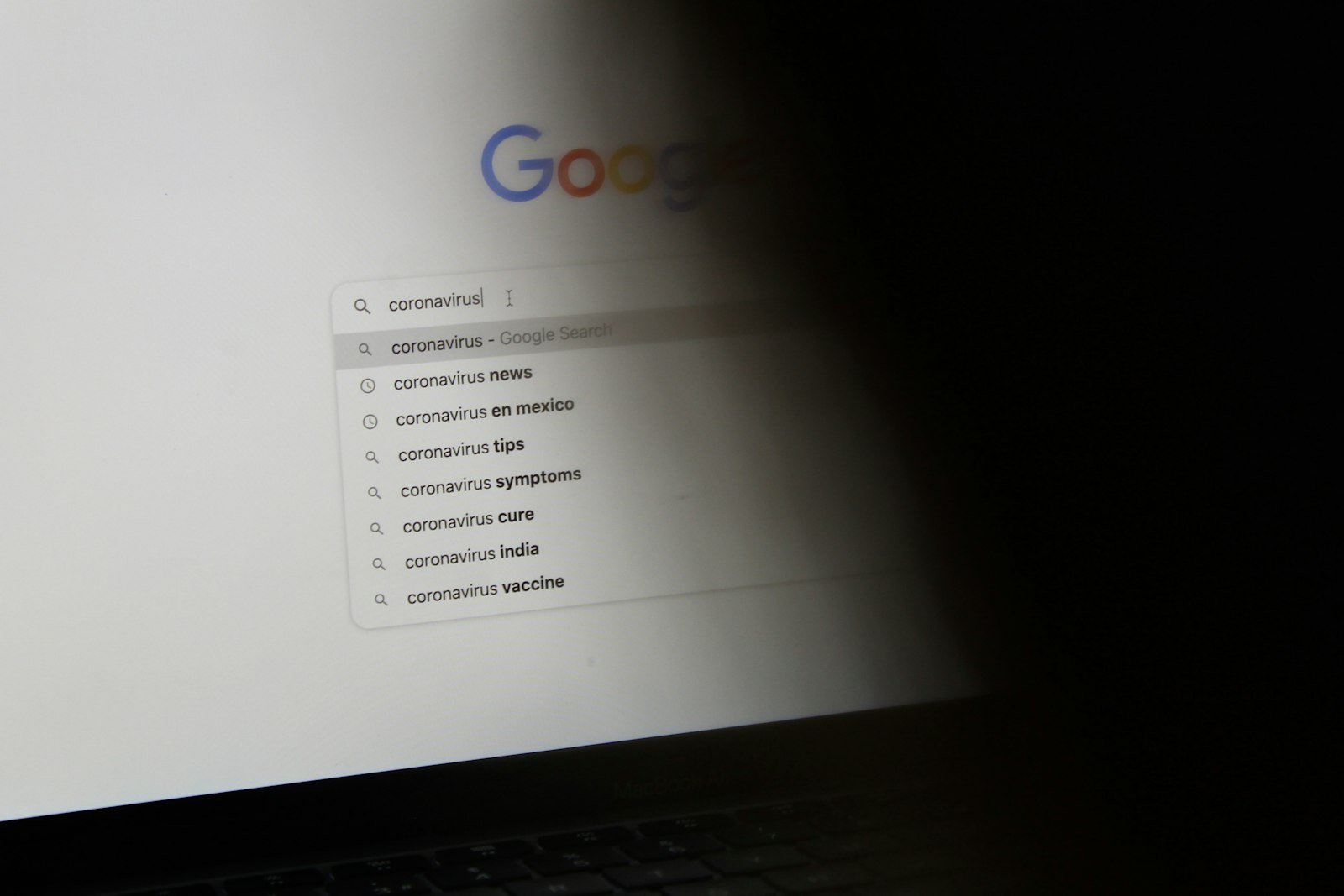
Students still use search engines, but many also ask AI assistants questions such as which universities offer a particular course, what the fees are, or whether a programme is recognised. Search engines increasingly show AI-generated summaries above the usual list of results.
That changes what a good result looks like. Being the page a student clicks on is still valuable. Being the source an AI answer relies on, and names, is becoming valuable too.
What AI answers tend to rely on
AI systems summarise information from pages they can find, read and trust. In practice that rewards:
- Clear, direct answers. Pages that state fees, duration, eligibility, intake dates and outcomes in plain sentences.
- Good structure. Descriptive headings, short paragraphs, lists and FAQ sections that match the questions students ask.
- Consistency. The same facts on your website, your Google Business Profile, education directories and partner sites.
- Trust signals. Named authors and faculty, accreditation details, up-to-date information and a site that is technically sound.

Make programme pages answer-ready
Your programme pages are the most important pages for AI search, just as they are for traditional search.
- Open each page with a short summary: what the programme is, who it is for, how long it takes and where it leads.
- Give key facts their own clearly labelled sections, so they are easy to find and quote.
- Add an FAQ section based on questions your counsellors actually hear.
- Keep fees and dates current, and show when the page was last updated.
- Use structured data, such as Course, FAQ and Organization schema, where your content supports it.
Technical foundations still matter
AI systems can only use pages they can access and understand. Make sure important pages are crawlable and indexed, load quickly, work well on mobile and are not hidden behind scripts or PDFs. If you serve several countries or languages, keep the international setup described in my international SEO post in good order, so the right version reaches the right students.
Build authority beyond your own site
AI answers often draw on more than one source. Accurate listings on reputable education directories, news coverage, faculty contributions to respected publications and mentions on partner websites all help establish your institution as a reliable reference. Review what these sources say about you and correct out-of-date information.
Measuring AI search visibility
Measurement is still developing. Practical steps include checking regularly how AI assistants answer the questions your students ask, watching for referral traffic from AI tools in your analytics, and tracking branded search and enquiries over time. Combine these with the usual SEO measures in my post on higher education marketing metrics.
If you want help preparing your site for both traditional and AI search, I work with universities as a higher education SEO consultant. My post on AI in higher education marketing covers the wider role of AI in recruitment.
From the field
When I ask AI assistants about an institution’s programmes, the answers often contain old fees, wrong intake dates or a course that no longer runs. The cause is usually the institution’s own outdated pages and directory listings. Cleaning up that information is unglamorous work, but it directly changes what students are told.
Related reading: Institutional Branding for Universities: Why Your Brand Shapes Enrollment
Frequently asked questions
Is SEO still worth it if students use AI search?
Yes. AI answers rely on content that search engines can find and trust, so good SEO is the foundation for AI visibility too.
Can we control what AI assistants say about our university?
Not directly, but you can influence it by publishing clear, accurate, consistent information and correcting outdated sources.
Which pages matter most for AI search?
Programme pages, admission and fees pages, and FAQ content, because they answer the questions students ask most often.
Does structured data help with AI search?
It helps search engines understand your content and can support rich results. Use it where it accurately reflects what is on the page.
Want this working for your institution?
Send me the questions your students ask most and I’ll check how search and AI tools answer them today. Book a free 30-minute strategy call.